


Network Segmentation Services in Chandler, AZ
Build a More Secure, Controlled, and Efficient Network
Types of Network Segmentation
| Network segmentation can be implemented in several ways. Many organizations use multiple segmentation methods together rather than relying on a single technology. Macro-segmentation separates large portions of a network according to broad categories. For example, an organization might create separate network zones for employees, servers, guest devices, operational technology, and customer-facing systems. Macro-segmentation creates clearly defined boundaries between major technology environments. Micro segmentation takes a more granular approach. Rather than separating large network areas, micro segmentation can create secure zones around specific workloads, applications, or services. Policies may determine which workloads can communicate and under what circumstances. This level of control is commonly associated with Zero Trust principles because access is based on specific requirements rather than general network location. |
VLAN-based segmentation uses switches to divide a physical network into multiple logical networks. Devices assigned to different VLANs can be separated even when they use the same underlying switching infrastructure. Communication between VLANs can then be controlled through routing, firewall rules or ACLs.
Software-defined networking (SDN) uses software-based policies and centralized controls to manage network traffic. Software-driven segmentation can be particularly useful in virtualized, cloud, and hybrid environments where workloads may change locations or scale more frequently.
Physical segmentation separates networks using dedicated hardware and cabling. This approach may be appropriate when systems require strong physical separation, although it generally requires more equipment and infrastructure than logical segmentation.

How Network Segmentation WorksNetwork segmentation works by establishing defined communication boundaries and applying rules to traffic moving between those boundaries. One important distinction is between north-south traffic and east-west traffic. |
This type of design helps reduce opportunities for unauthorized lateral movement. If one system is compromised, defined boundaries can limit the number of other systems that can be reached through that connection. Segmentation does not eliminate security risk, but it can help contain the impact of an incident.
In a data center, segmentation may separate application tiers, database systems, management networks and user-facing services. In cloud environments, similar principles can be applied through virtual networks, security groups, cloud firewalls, and workload-specific policies.
Monitoring and telemetry are important throughout the process. Traffic logs, network monitoring tools and security platforms can show how systems are communicating and help IT teams identify unexpected traffic patterns or policies that require adjustment.

Implementing Network SegmentationEffective network segmentation usually begins with understanding the existing environment before creating new restrictions. The first step is to assess the network and map connected assets. This can include servers, workstations, mobile devices, printers, network equipment, applications, cloud workloads, and Internet of Things devices. IT teams should also document how those assets communicate. |

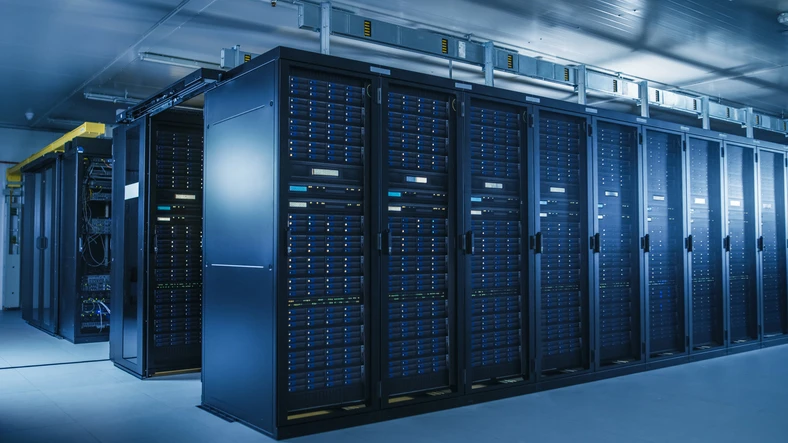
Data Center Segmentation ConsiderationsData centers often contain systems with very different functions and sensitivity levels. Segmentation can separate web servers, application servers, databases, administrative systems, backup environments and other infrastructure. |
Network Security and ComplianceNetwork segmentation should be considered part of a broader network security strategy rather than an isolated control. Firewalls, identity controls, endpoint security, monitoring, logging and access management all contribute to how effectively segmentation works. Policies should reflect actual business requirements and should be reviewed as systems, applications and personnel change. |

Network Performance ConsiderationsNetwork segmentation should support security objectives without creating unnecessary performance problems. Every enforcement point introduces some level of processing. Firewalls may inspect traffic, routers may apply ACLs, and cloud security controls may evaluate communication between workloads. Poorly designed rules or undersized infrastructure can contribute to throughput limitations or latency. |

Access Policies and Network Security PoliciesNetwork segmentation depends on clearly defined access policies. A least-privilege policy grants users, applications and devices only the access required to perform their authorized functions. Rather than allowing a department or device category broad access to the network, administrators identify the specific services and systems that are needed. Role-based access policies organize permissions around business functions. For example, an employee may receive network access based on membership in a finance, human resources or IT administration role. |

Firewall Rules and EnforcementFirewall rules translate network security policies into specific technical controls. A common approach is to use a deny-by-default model for sensitive segments. Under this model, traffic is denied unless a rule explicitly permits a required connection. |

Network Segmentation by TeamLogic ITTeamLogic IT in Chandler helps organizations evaluate where network segmentation fits within their broader IT and network security strategy. An assessment engagement can begin with reviewing network architecture, identifying connected assets and documenting existing communication patterns. The resulting information can help determine which systems should be separated and which communication paths are necessary for business operations. |

Next Steps and ContactNetwork segmentation is most effective when it reflects how an organization’s users, applications, data and infrastructure actually interact. A successful project begins with understanding the current environment and identifying which systems require additional separation or access controls. |